Venture Capital & Entrepreneurship
A talk at Villa Sucota in Como on venture capital, founders and the relationships that turn ambitious ideas into companies.
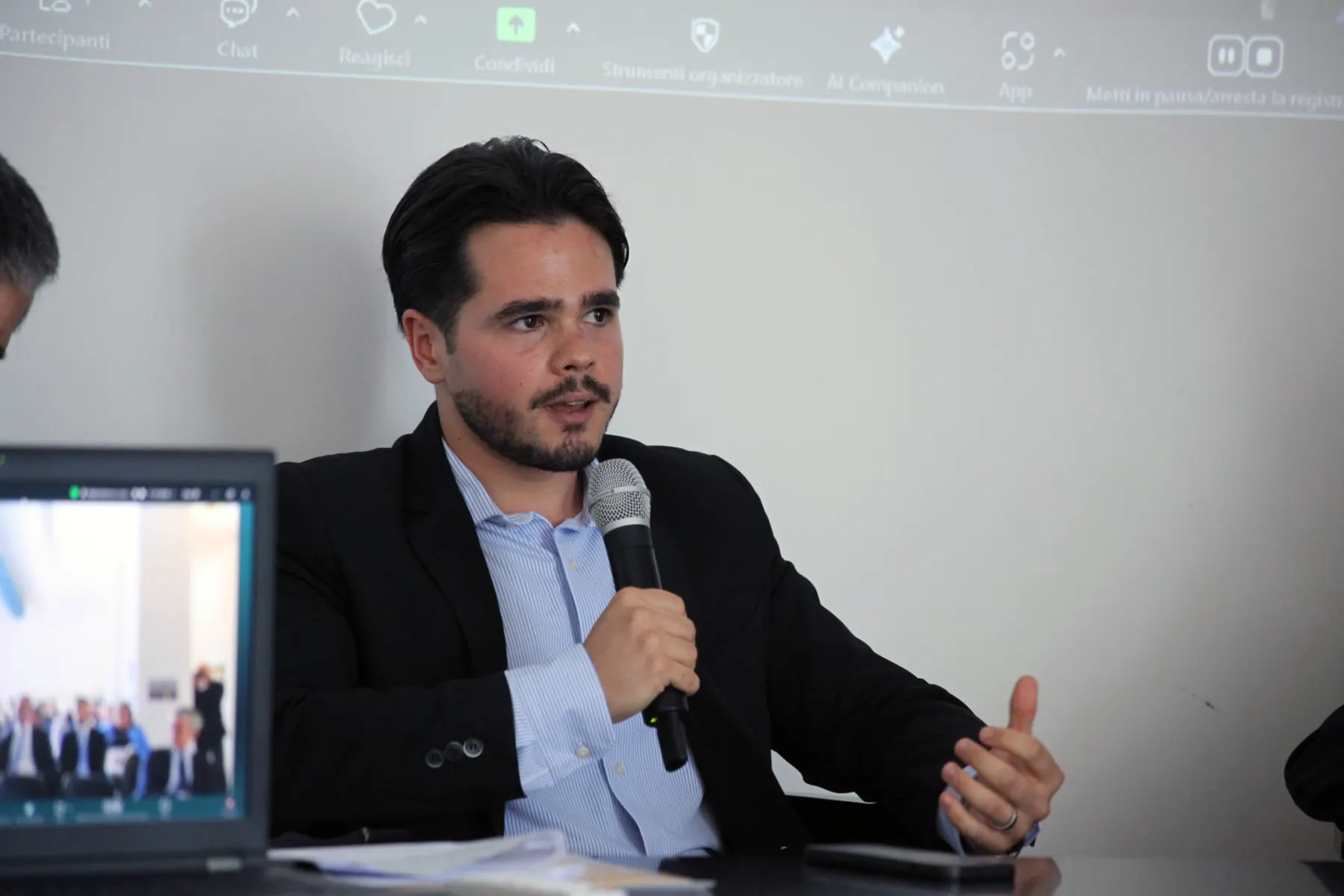
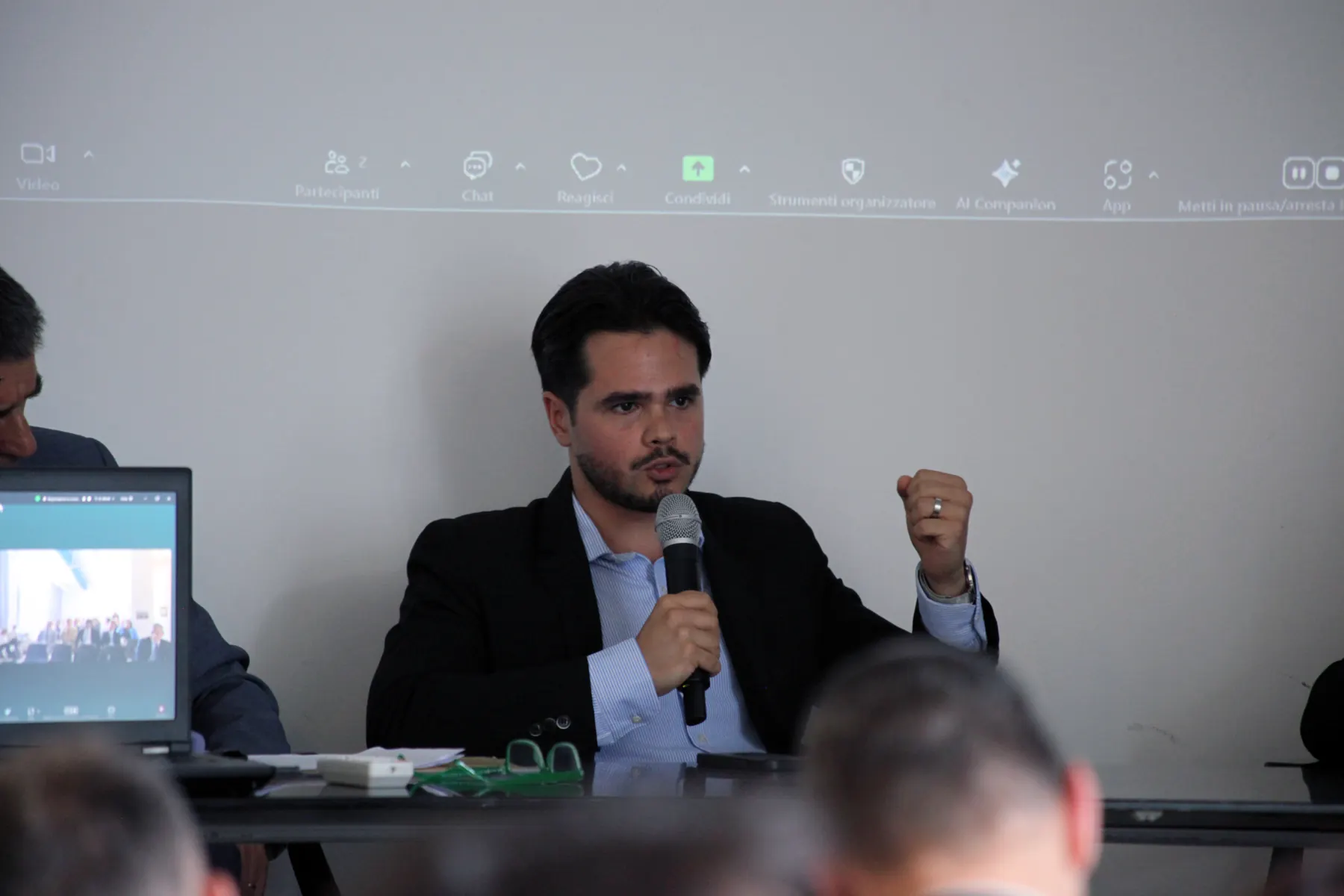
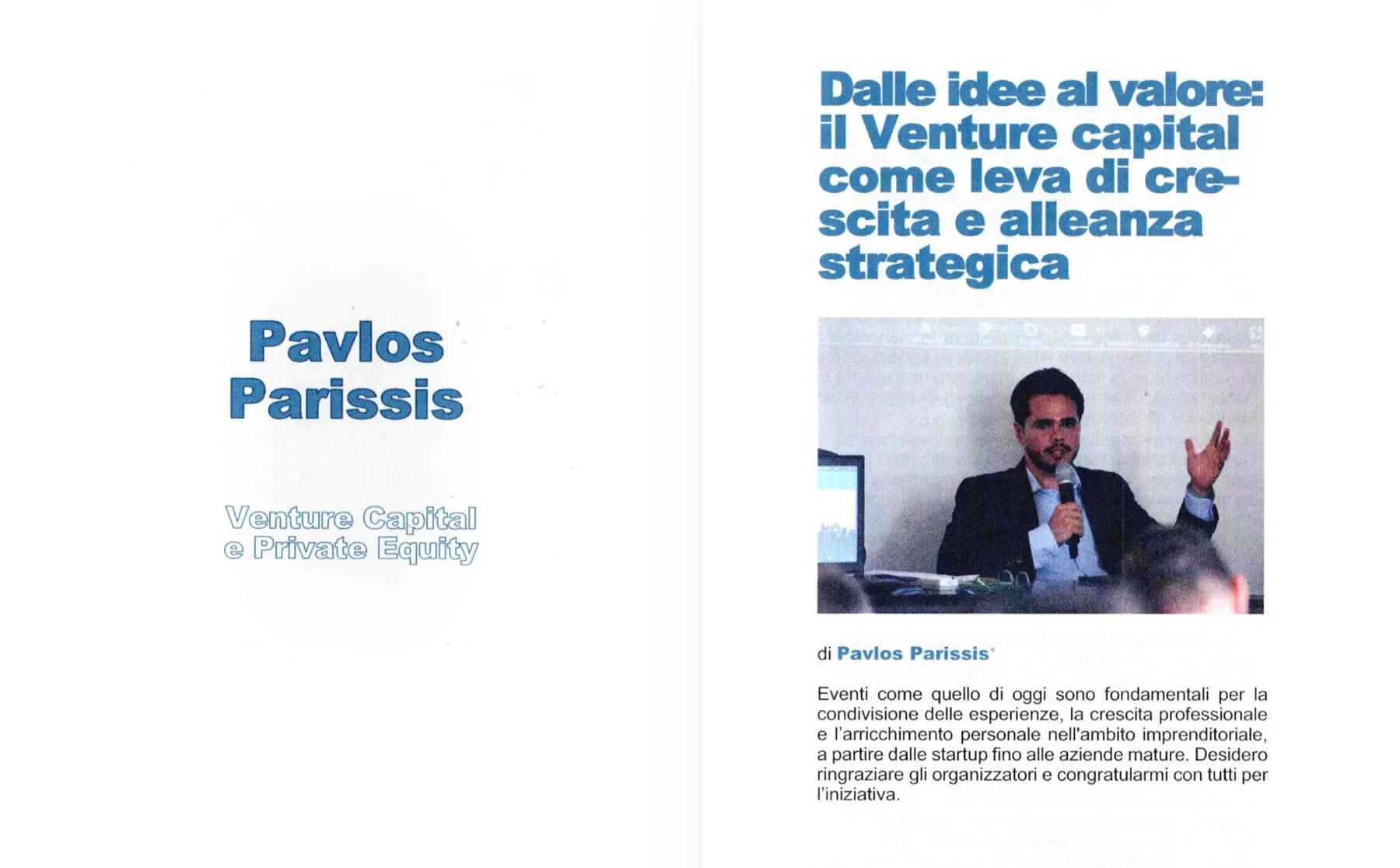
I gave this talk at Villa Sucota in Como, in a room filled with Italian entrepreneurs whose experience and ambition I deeply admired.
Rather than presenting a company or institution, I used the occasion to reflect on what my own path through startups, consulting, asset management and venture investing had taught me about building and financing young companies.
People before ideas
The central argument was simple: in early-stage investing, the quality of the people matters before almost everything else. Products evolve, markets move and initial ideas can change completely. A cohesive, capable and motivated team is what gives a company the ability to adapt.
In that sense, the formula I proposed was deliberately uncomplicated: team, team and team again.
From investor to partner
I also explored the relationship between founders and venture investors. Capital alone is increasingly abundant. What is genuinely scarce is useful experience, trusted relationships, strategic judgment and the ability to help a company through difficult stages of growth.
The strongest venture relationships therefore go beyond financing. They become partnerships: the investor contributes networks, perspective and pattern recognition while preserving the founder’s ownership of the vision.
Connections and selection
Another theme was the importance of networks in venture capital. High-quality connections can create a more effective selection process, helping investors discover strong founders and helping entrepreneurs find partners who contribute more than money.
As a company matures, that relationship changes. At the earliest stages an investor may act almost as a mentor; later, the contribution becomes more strategic — supporting international expansion, organizational development and access to new markets.
Venture capital and private equity
I closed by contrasting venture capital with private equity. Private equity can involve majority ownership and more direct intervention in the company’s operating model. Venture capital is generally built around minority investment and collaboration with the founder.
What connects both is the same underlying question: how can capital become a tool for creating durable value rather than simply a source of funding?
The answer, in my view, comes back to people, alignment and trust — and to the entrepreneurial passion that keeps a team moving when the original plan inevitably changes.